
If you’d like to attract pollinators to your garden, you’re helping more than you might think. Bees, butterflies and other pollinators are the quiet heroes of the garden. They’re behind much of the food we eat and the flowers we enjoy — and, worryingly, many of them are in decline as wild habitat disappears. The good news is that your garden can be part of the answer. You don’t need acres of land, either: a few well-chosen plants in a border, or even a couple of pots on a balcony, can genuinely help. Here are six simple ways to attract pollinators to your garden.
1. Plant plenty of nectar-rich flowers
Pollinators visit flowers for nectar and pollen, so the more flowers you offer, the more visitors you’ll get. One tip that makes a real difference: choose simple, open “single” flowers rather than the frilly “double” varieties. Those showy double blooms often have their nectar bred out, or hidden behind so many petals that a bee simply can’t reach it. Open, daisy-like flowers are an easy landing pad and an open invitation.
2. Aim for something in bloom all season
A pollinator garden is most useful when it offers food from early spring right through to late autumn — the stretch when bees are active but wild flowers can be scarce. Plant a mix that flowers at different times: crocuses and hellebores for early spring, the main summer show, and late bloomers like sedum and ivy to see them into autumn. Year-round variety keeps your garden buzzing for months, not weeks.
3. Choose proven pollinator favourites
Some plants are simply irresistible to bees and butterflies. Reliable performers include lavender, borage, foxgloves, catmint and single-flowered dahlias — and don’t overlook flowering herbs like mint, thyme, marjoram and chives, which pollinators adore once they’re allowed to bloom. Herbs are a lovely double win: they feed the bees outdoors and earn their keep indoors too (a few extra sprigs come in handy for natural green cleaning and fragrance).
4. Put out a little water
Like all creatures, pollinators need to drink — and many gardens offer nowhere safe to do it. Set out a shallow dish of water with a few pebbles or marbles poking above the surface. The stones give bees a place to land and sip without the risk of drowning. It’s a tiny thing that makes your garden far more welcoming, especially in hot, dry spells.
5. Put away the pesticides
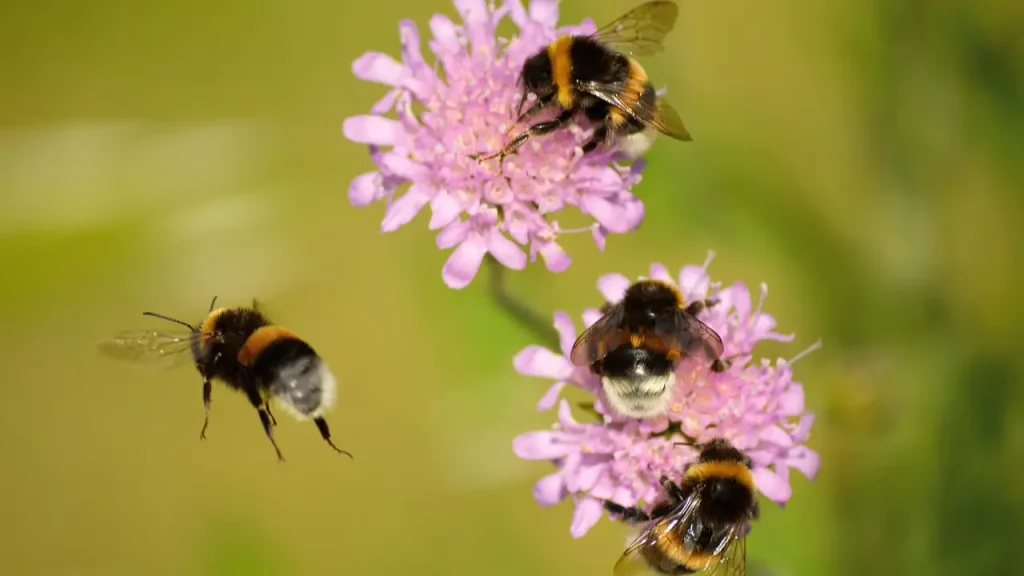
This is the heart of it. Chemical pesticides don’t distinguish between the pests you’re targeting and the bees and butterflies you’re trying to welcome — they harm both. Going chemical-free is the single most important thing you can do for pollinators. Encourage natural predators like ladybirds instead, pick pests off by hand where you can, and accept that a few nibbled leaves are a small price for a garden full of life.
6. Leave a wild, undisturbed corner
Pollinators need somewhere to shelter and nest, not just to feed. You don’t have to let the whole garden run wild — just leave one quiet corner a little untidy. A patch of longer grass, a small log pile, a few hollow stems, or a simple “bee hotel” fixed to a sunny wall all give solitary bees and other insects a home. A little mess, in the right place, is a real gift to wildlife.
Start small — even a single pot of lavender on a doorstep gives passing bees a meal. Add a plant or two each season, put the chemicals away, and leave a corner wild, and before long your garden will be alive with movement and colour. Attracting pollinators to your garden is one of the simplest, most rewarding things you can do for the environment, right on your own doorstep.
Which pollinator-friendly plants do best in your garden?
Share your favourites in the comments below.